Scratch & key-scratch repair
Sanded, filled where needed, primed, and refinished so the line is gone — not buffed thinner and hoped for.
Scratches, scuffs, chips, peeling clear coat, and full repaints. Spark Collision Center color-matches your factory paint, blends it into the surrounding panels, and hands the vehicle back looking like nothing happened.
Sun, age, and factory variation mean two vehicles with the same paint code rarely match perfectly. We read your paint with a spectrophotometer, spray test cards against the car, and blend into the neighboring panels so the repair has no edge to find.
Real vehicles, photographed in our lot. The goal on every job is the same: you should not be able to tell which panel was repaired.
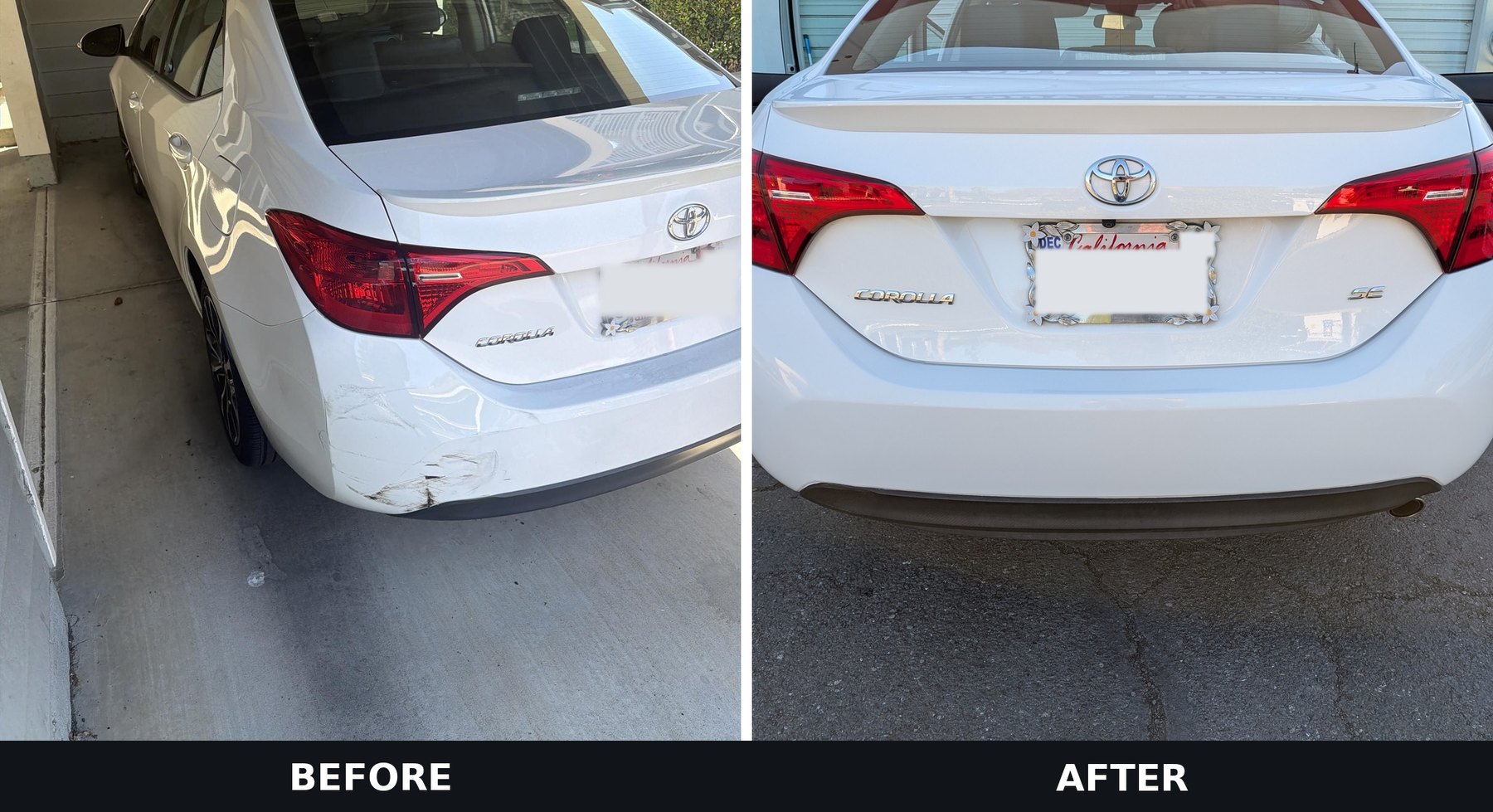
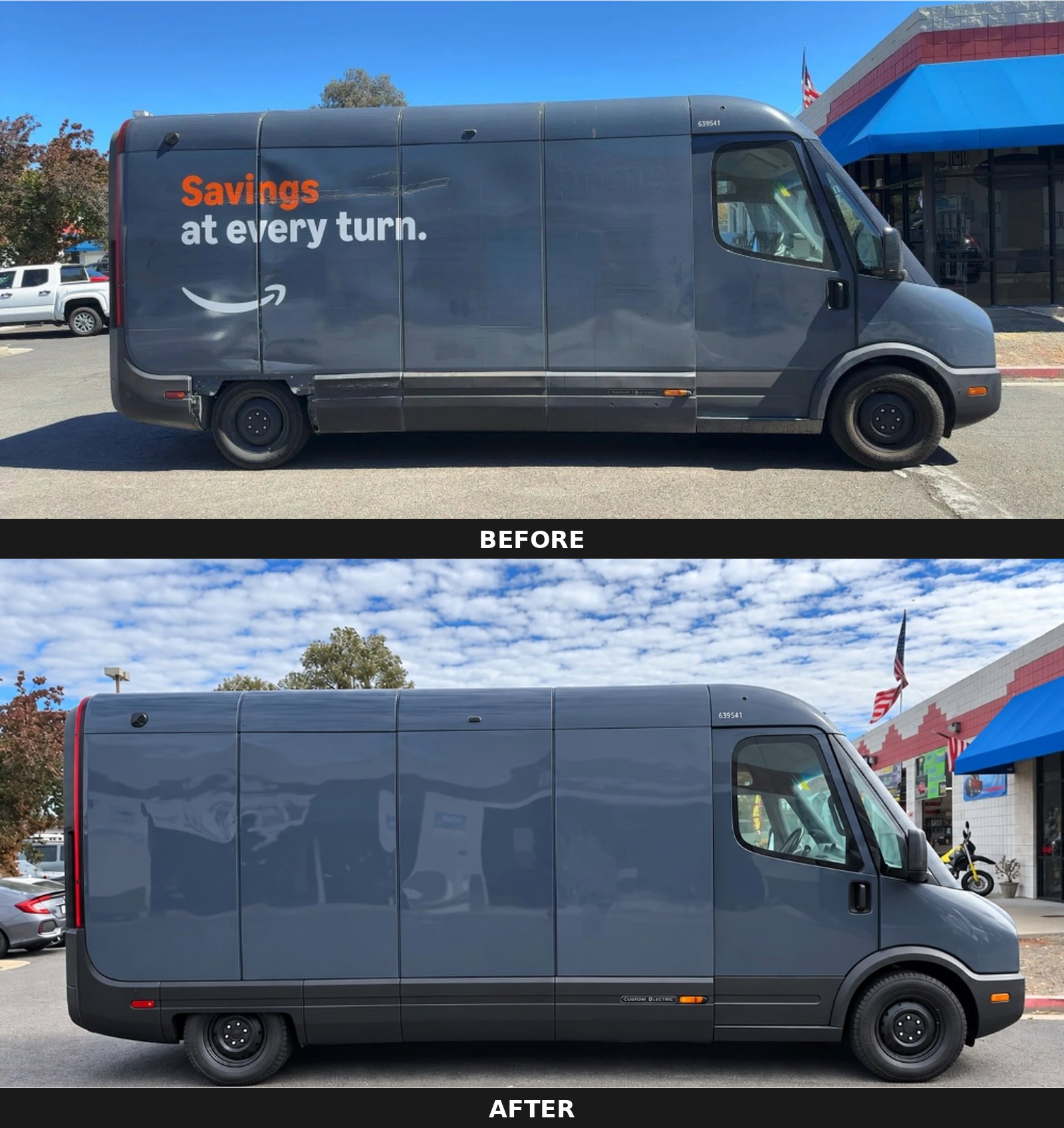
Paint work is included in nearly every collision repair we do, and we take it on as a standalone job too.
Sanded, filled where needed, primed, and refinished so the line is gone — not buffed thinner and hoped for.
Plastic bumper covers repaired and repainted with flex additive so the finish lasts through the next tap in the parking lot.
Freeway sandblasting on hoods, bumpers, and mirror caps refinished before chips turn into rust spots.
Failed clear coat on roofs, hoods, and trunks stripped, re-primed, and repainted — common on vehicles that live outdoors in the Bay Area sun.
Doors, fenders, quarter panels, and tailgates refinished and blended so the new paint transitions invisibly into the old.
Wrap removal, decal removal, and full or partial repaints for delivery vans, work trucks, and commercial fleets — with priority turnaround.
Fingernail glides over it. Same color inside the scratch. Light swirl marks, fine hairline scratches, and hazy scuffs are in the clear coat only. Polishing or a light wet-sand usually removes them. Paint transfer — a streak of another car's color — often comes off with a compound before you assume the panel is damaged.
Fingernail catches. Scratch is your car's color or shows a lighter, chalky line. The scratch has cut through the clear coat into the base color or down to primer. Touch-up pens will hide it briefly but won't seal it. Plan on a proper refinish within a few months, before UV and washing lift the edges of the clear coat.
Bare metal, a shiny silver line, orange bleed, or bubbling paint. The scratch reaches steel or the area has started to rust. Rust spreads under the surrounding paint, so what's a small panel refinish today becomes a larger repair — or a replacement panel — later. Deep scratches on plastic bumpers that show black or gray underneath belong here too.
If a door or bumper has several scratches, refinishing the whole panel is usually cheaper and looks better than spot-repairing each one.
Edges, door jambs, and panel gaps trap water. Damage there rusts faster than the middle of a panel and should be sealed sooner.
Take the photo in shade, close up and at an angle. We'll tell you whether it needs paint, a polish, or nothing at all. Free.
We measure the depth of the damage, read the paint with a spectrophotometer, and spray test cards against the vehicle to confirm the match.
Damage is sanded, filled where needed, primed, and block-sanded flat. Most of a good paint job happens before any color goes on.
Base coat and clear coat are applied in a downdraft booth, blended into adjacent panels so there's no visible edge.
The finish is baked, wet-sanded and polished where needed, then checked in daylight before you pick it up.
It depends on the depth of the damage, the size of the area, the color, and how many panels need blending. A bumper scuff repair costs far less than a full panel repaint, and a full repaint costs more than either. Send us photos or stop by and we'll give you a free, itemized estimate before any work starts.
Yes. We start from your vehicle's paint code, then read the actual panel with a spectrophotometer because sun exposure and factory variation shift the color over time. We spray test cards and compare them against the car before painting, and blend into adjacent panels so the repair has no edge.
Not always. Small scratches away from edges can often be spot-repaired. Larger scratches, multiple scratches, or damage near a body line usually get a full panel refinish with blending into the next panel — that's what makes the repair invisible.
A bumper scuff or single-panel repair is typically 2–3 days including prep, paint, and cure time. Multi-panel work or a full repaint takes longer. We'll give you a realistic schedule at the estimate.
Touch-up paint hides a rock chip and helps seal it against rust, and that's a fine short-term fix. It won't level a scratch, match the gloss, or hold up on larger areas. If the scratch catches your fingernail or shows primer or metal, it needs a proper repair.
Vandalism like key scratches is usually covered under comprehensive coverage, and damage from a collision is covered under collision coverage — both subject to your deductible. Small jobs often cost less than the deductible, so it's worth asking us for a price before you file a claim.
Yes. We remove wraps and decals, repair the panels underneath, and repaint single panels or entire vans for delivery service partners and local fleets, with priority scheduling so vehicles aren't parked longer than they need to be.
Free estimates in Fremont — walk in, call, or use the form below.